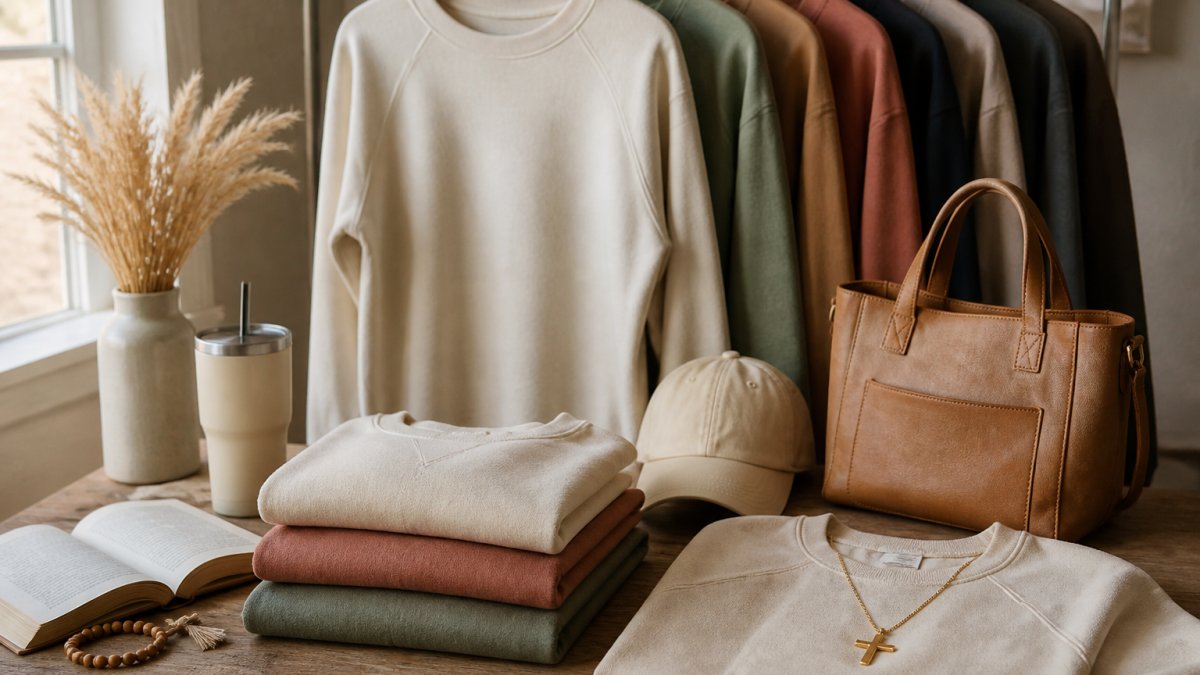
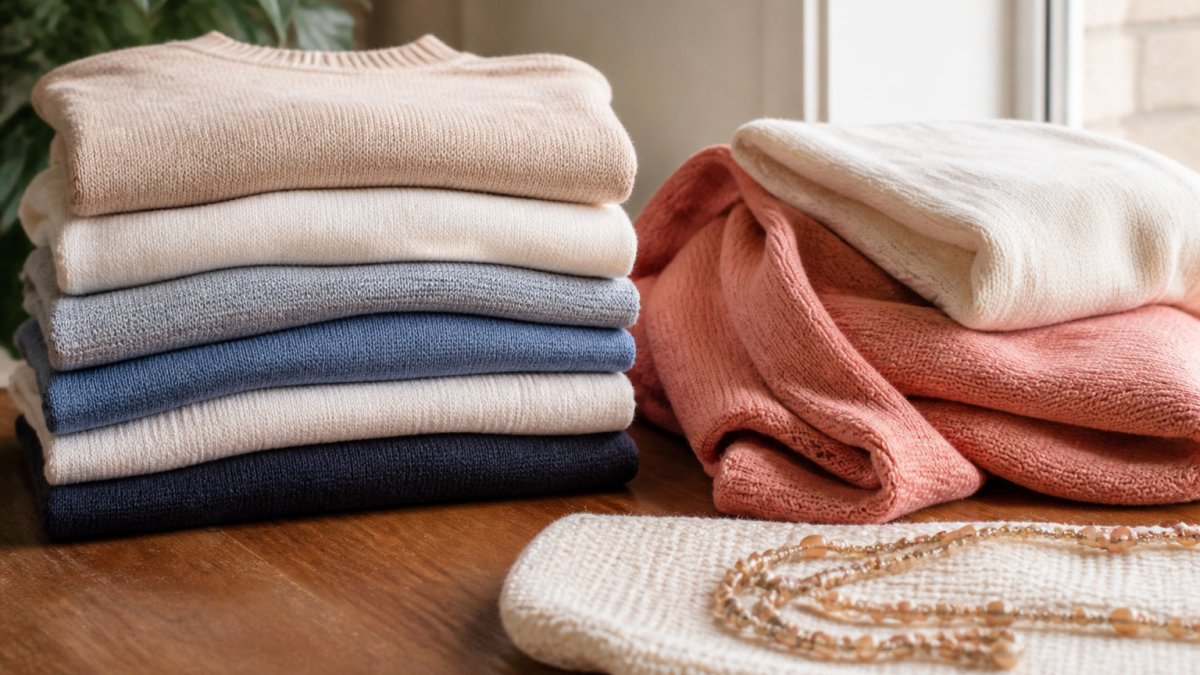
 comparison
Is Expensive Christian Apparel Worth It? An Honest Review
Last Updated: October 23, 2026
Quick Summary
Expensive Christian apparel is worth it when the extra money buys better fabric, cleaner printing, and a fit that survives real life, not just a nicer label. Run the cost-per-wear math first: a $70 hoodie worn 120 times costs $0.58 per wear, while a $24 tee worn six times costs $4.00 per wear.
- Christian apparel and accessories pulled in $77 million in tracked gross merchandise value in 2025, with 5-10% growth forecast for 2026.
- Cost per wear equals purchase price divided by total wears, so a $70 hoodie at 120 wears is $0.58 per wear.
- A 2026 guide lists graphic tees at $22-$26, hats around $27-$30, and hoodies at $59.99, so ask what more buys.
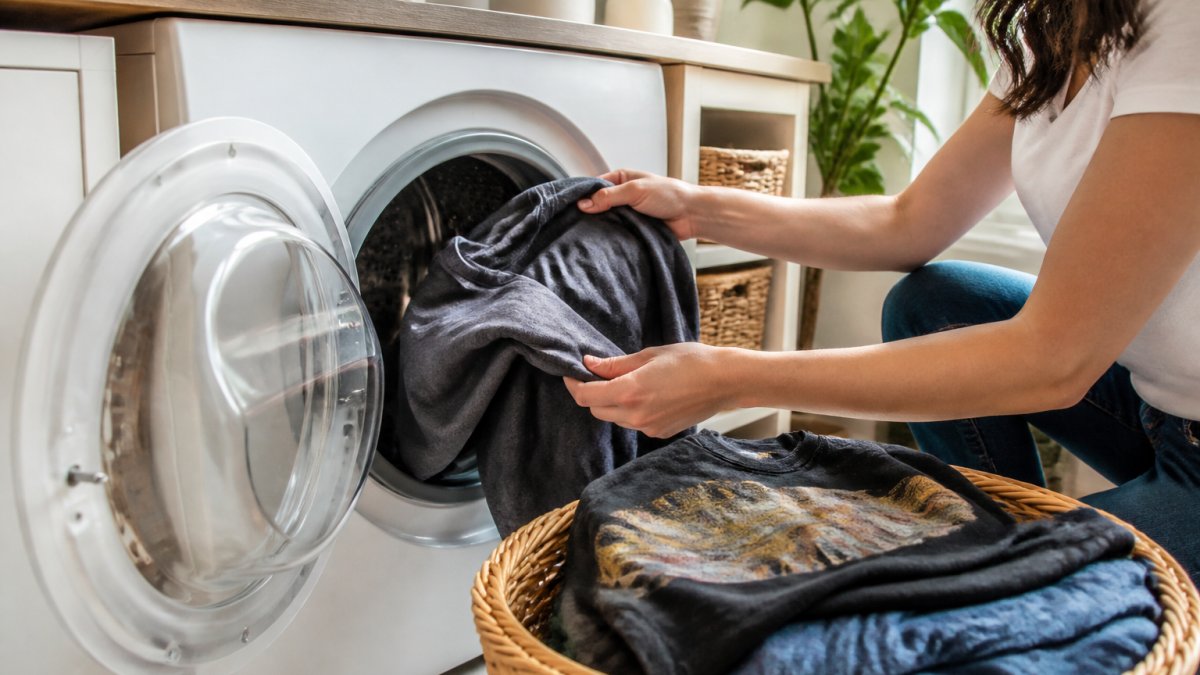
- Wash graphic tees inside out in cold water and skip the dryer, since heat kills prints, not detergent.
- Vet brands by checking stated fabric weight, printing method, construction details, return windows, and verified reviews with photos.
Table of Contents
- The Real Price Tag: What You're Actually Paying For
- Why Christian Apparel Costs More Than a Basic Tee
- Christian Clothing Quality and Durability: What the Fabric Tells You
- Cost Per Wear: The Math That Changes the Verdict
- Is Buying Expensive Clothes a Sin? A Balanced Look
- Where Expensive Christian Apparel Wins (and Where It Doesn't)
- How to Vet a Brand Before You Spend
- Frequently Asked Questions
The Real Price Tag: What You're Actually Paying For
Is expensive Christian apparel worth it? The honest answer is that it depends on what the extra money buys: better fabric, cleaner printing, and a fit that survives real life. Christian apparel and accessories pulled in $77 million in tracked gross merchandise value in 2025, according to Grips Intelligence market tracking, and that category is forecast to grow 5-10% in 2026. At Tanlajo Boutique, we watch shoppers weigh a $24 tee against a $70 hoodie every day, so we wrote this as a plain-spoken buyer's guide rather than a sales pitch.
Here's the part most guides skip: price alone tells you nothing. A high price tag is a claim, not proof. Your job is to test the claim.
Why Christian Apparel Costs More Than a Basic Tee
Small production runs raise the cost of every single piece. Refined By Grace Boutique's breakdown of Christian apparel pricing explains that faith-specific designs made in smaller batches carry higher per-unit costs than mass-market clothing. A big retailer prints 50,000 units of one design; a boutique might print a few hundred, and the setup cost gets spread across far fewer shirts.
Design work, original artwork, and seasonal collections add to that. So does the fact that a faith-based brand is selling a message, not just fabric. None of this automatically makes a garment better, but it explains the gap between a budget shirt and premium apparel.
Christian Clothing Quality and Durability: What the Fabric Tells You
Fabric is where your money either works or disappears. A 100% combed ring spun cotton tee feels softer and pills less than a cheap carded cotton shirt, and it holds its shape through repeated washing. Lightweight, breathable fabric layers well; heavy, stiff cotton does not.
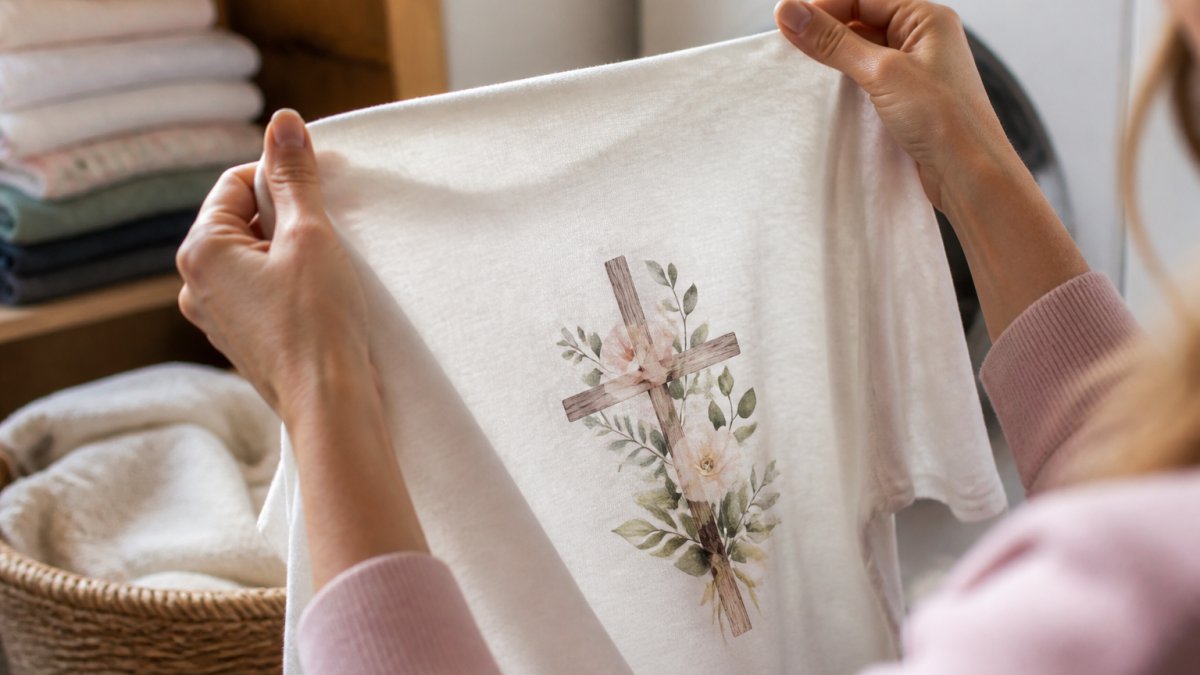
Print quality matters just as much. A design that cracks and peels after five washes is a bad purchase at any price. Look for brands that describe their printing method and offer care instructions, and check whether the label is a tear-away tag, which prevents the neck irritation that makes people stop wearing a shirt.
Durability after washing is the real test. Pilling, fading, and shrinking are the three failure points, and all three show up in the first ten washes if they're going to happen at all.
Cost Per Wear: The Math That Changes the Verdict
Cost per wear is the purchase price divided by the total number of times you actually wear the item. That is the whole formula: Cost per wear = Purchase price ÷ Total wears. The hard part is not the arithmetic; it is being honest about the two inputs.
Start with total wears, not wears per year. If you expect to wear a hoodie 40 times a year for three years, the total is 120 wears, not 40. Divide the price by 120 and you have your real cost per wear.
Here is the same math across a realistic spread of garments and habits:
| Garment | Price | Wears Per Year | Years Worn | Total Wears | Cost Per Wear |
|---|---|---|---|---|---|
| Budget graphic tee | $24 | 6 | 1 | 6 | $4.00 |
| Mid-range tee | $38 | 20 | 2 | 40 | $0.95 |
| Premium graphic tee | $45 | 30 | 3 | 90 | $0.50 |
| Budget hoodie | $35 | 10 | 1 | 10 | $3.50 |
| Premium hoodie | $70 | 40 | 3 | 120 | $0.58 |
| Premium hat | $28 | 60 | 4 | 240 | $0.12 |
Run the numbers before you buy, and run them with conservative inputs. If a piece will sit in a drawer, it is expensive at any price. If you will reach for it weekly, the upfront price stops mattering.
A common pattern is that people compare a premium item against a budget item at the moment of purchase, when the budget item looks cheaper, and never revisit the comparison after the budget item pills, fades, or shrinks. The cost-per-wear frame corrects for that by forcing you to price in lifespan. It also exposes the real risk in premium apparel: a costly piece you rarely wear is the worst cost per wear in your closet, worse than any $24 shirt you actually use.
One caveat worth stating plainly: cost per wear is a decision tool, not a moral scorecard. A $0.50-per-wear garment you dislike is still a bad purchase, and a $4.00-per-wear shirt you love and wear for years can be the better stewardship choice.
Is Buying Expensive Clothes a Sin? A Balanced Look
This question deserves a straight answer rather than a dodge. Scripture warns against ostentation and calls for humility, and some Christian readers genuinely wrestle with whether spending more on clothing conflicts with that. That concern is worth taking seriously.
But the same tradition values stewardship, and stewardship cuts both ways. Buying one well-made garment that lasts three years can be more responsible than buying three cheap ones that fall apart. The line most people land on is motive and proportion: spending within your means on clothing you will actually wear is different from buying to signal status.
Where Expensive Christian Apparel Wins (and Where It Doesn't)
Premium faith-based clothing earns its price in three places: fabric comfort, print longevity, and fit that holds up over time. It loses when the markup pays for branding rather than construction.
A 2026 Christian apparel guide lists graphic tees at $22-$26, hats around $27-$30, and hoodies at $59.99, per Bible Memory Goal's Christian apparel price guide. Above that range, ask what the extra money buys. If the answer is "a nicer label," walk away.
What most guides miss is that a boutique can be worth it for reasons that have nothing to do with thread count. Original designs, a brand that actually exists as a small operation, and pieces that fit your everyday style all count. At Tanlajo Boutique, we build around 100% combed ring spun cotton, tear-away labels, and seasonal graphic themes, and we would rather you compare those specifics than trust a price tag.
How to Vet a Brand Before You Spend
Most buying guides tell you to "check the quality" and stop there. That advice is useless because it gives you nothing to check.
1. Compare fabric weight and fiber, not adjectives. Look for a stated fabric weight in ounces per square yard (oz/yd²) or grams per square meter (GSM).
2. Identify the printing method. Screen printing, direct-to-garment (DTG), and heat transfer vinyl (HTV) fail differently.
3. Document construction details. Check the stitch density at the hem and shoulder, whether the neckline has a ribbed collar or a taped seam, and whether the label is a tear-away tag.
**4.
5. Check sizing, fit, returns, and warranty before checkout. These practical purchase risks change the real value of a premium item more than most shoppers expect.
6. Weigh independent evidence over testimonials. Look for verified customer reviews with photos, patterns in complaints (sizing runs small, print faded after three washes), and long-term owner feedback where available.
- Fabric weight and fiber composition stated, not just "soft cotton"
- Printing method named and care instructions published
- Collar, hem, and label construction described or visible in photos
- Wash test completed on a comparable garment you own
- Size chart uses body measurements; return window and shipping responsibility clear
- Warranty or defect policy stated
- Verified reviews with photos reviewed for patterns, not one-offs
- Cost per wear compared against a cheaper alternative you already own
Independent reviews and verified customer evidence beat any brand's own claims. A Liberty University master's thesis on Gen Z and apparel as evangelism notes that younger buyers have grown skeptical of Christian apparel because of outdated, overused designs, which is exactly why design quality belongs on your checklist alongside fabric, construction, and return terms.
Frequently Asked Questions
Is it worth paying more for Christian apparel?
It depends on how often you'll wear the piece. A $60 hoodie worn twice a week for two years costs about $0.58 per wear. A $20 tee that pills after five washes and gets retired in three months costs far more per wear. Expensive Christian apparel is worth it when the fabric holds up, the print survives washing, and the fit makes you reach for it. If any of those fail, the higher price is just a higher price.
Why does Christian clothing sometimes cost more?
Small-batch production is the biggest driver. Brands that print faith-specific designs in limited runs pay more per unit than mass-market manufacturers. Softer fabrics like combed ring spun cotton, and smaller order volumes all add to the upfront price. None of that automatically means better quality, so check the fabric and print details before assuming.
How can you tell if Christian apparel is good quality?
Start with the fabric content. 100% combed ring spun cotton tends to be softer and more durable than basic carded cotton. Look for tear-away labels, reinforced seams, and print methods described as screen print or DTG rather than heat transfer. Read reviews that mention washing and drying specifically. Christian clothing quality and durability show up in customer feedback about pilling, fading, and shape retention after repeated washes, not in the marketing copy.
Is buying expensive clothes a sin for Christians?
Scripture doesn't set a price ceiling on clothing, but it does speak to humility and stewardship. The practical question is whether the purchase fits your budget and priorities. Spending beyond your means or buying to impress is different from paying for a durable piece you'll wear for years.
How do you choose Christian apparel that lasts?
Check three things before buying: fabric weight and content, print method, and care instructions. Heavier cotton holds shape longer, and combed ring spun cotton resists pilling. Wash inside out in cold water and skip the dryer to extend garment lifespan. Brands that publish these details openly are usually the ones whose pieces survive a year of regular wear.
The honest challenge is that most shoppers judge faith-based clothing by the price tag alone, then feel burned when a cheap shirt fades in a month. Tanlajo Boutique takes a different approach: 100% combed ring spun cotton for soft, durable wear, lightweight breathable fabric that layers easily, and tear-away labels for irritation-free comfort, all wrapped around seasonal, inspirational designs. Add to cart and see how the cost-per-wear math works in your own closet.